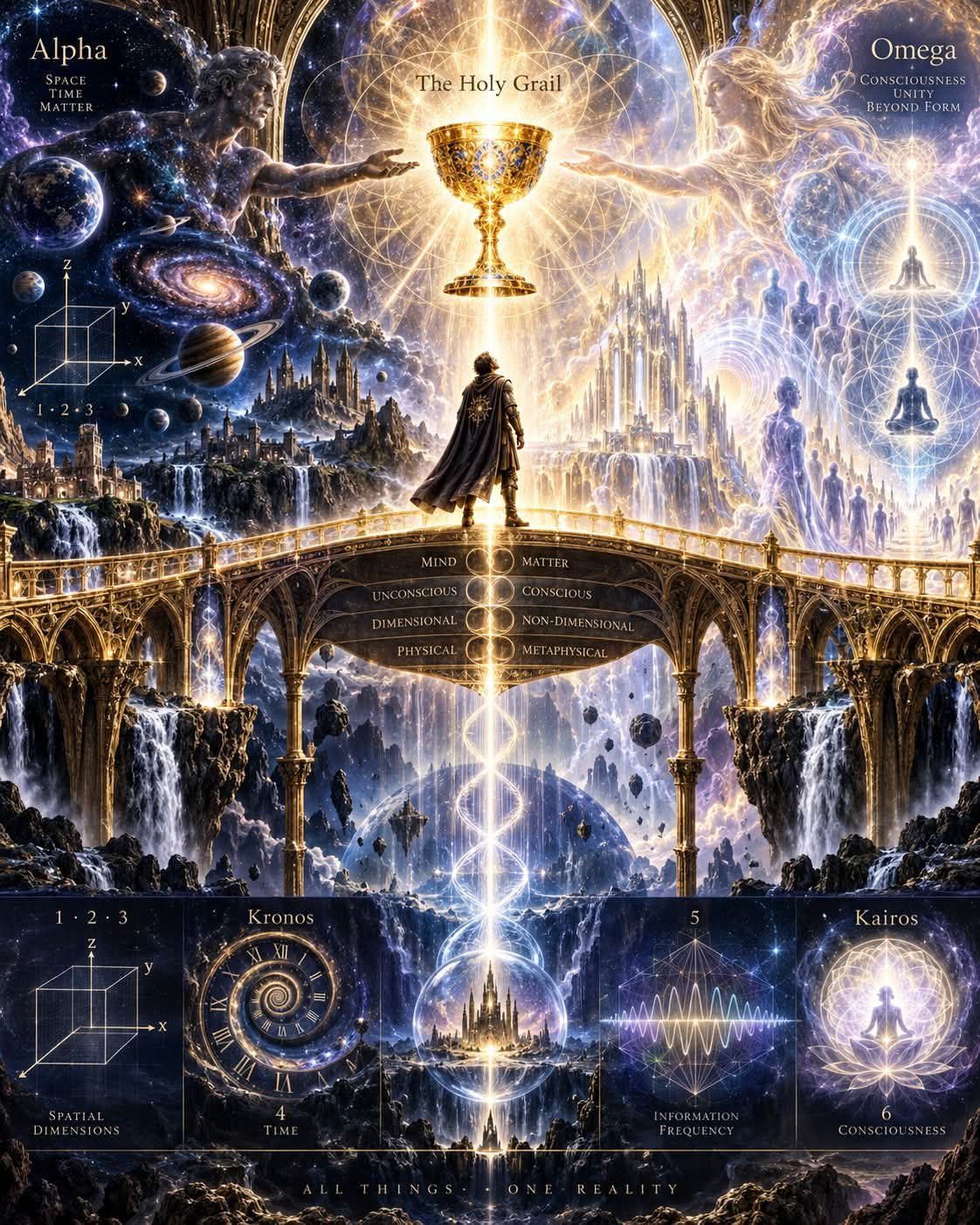
The Bible is about Spirit Light
Having Dominion and Authority over
Waters of the Word
Another way of saying the Knowledge of God,
Ruling and Reigning over Intelligence in Love
Another way of saying a dance between
Christ and his Bride, Word and Waters/Wisdom
The Breath within you must rise up and over the intelligence in you and take authority over it, while being led by Light/Truth….
Take no thought.
Lean not on your own understanding/intelligence
But acknowledge him/Truth/Light in all your ways and he will direct your path
He put us in the earth (earthen vessel is actually intelligent waters of consciousness that store memory) to subdue it and everything in it…. The intelligent memory matrix , thoughts, emotions, speculation because of darkness upon the face of our deep…… so by his Light, we could have dominion, be blessed, fruitful, multiply, replenish the earth with Sons of God
The meaning of Light.
One of the first songs I ever learned was “This Little Light of Mine.” I was two years old, holding up one finger in a church building, singing about letting it shine. The tradition that taught me the song had already hollowed out the symbol and replaced its meaning with morality. But here is what I find remarkable now. Before I ever learned that song, before I knew a single word or name or doctrine, light was already the first thing I ever experienced. It is the first thing any of us experience. Before a newborn recognizes the mother’s face, before language, before the concept of self or other, there is this: the eyes open, and there is light. Not a thing seen but seeing itself, awareness flooding in before there is anyone organized enough to claim it. Every human being who has ever lived began their conscious existence the same way, not with a thought, not with a name, but with raw, undifferentiated perception. Light before content. Awareness before identity. This is why scripture speaks through light, because light belongs to the deepest structure of human experience. And every mystical text that uses light as its central symbol is pointing back to that original moment, the moment before the mind learned to divide what it sees from the one who sees it.
Light, from its first appearance in scripture to its last, is a symbol for one thing: awareness. Not belief about God but the direct, unmediated recognition of what God is, happening within the one who sees. “Let there be light” (Genesis 1:3) appears before the sun, before the moon, before any celestial body capable of producing photons. This is the detail that unravels the entire literalist reading and reveals what the text has always been saying. Light, in the creation poem, is not a thing God made. It is what God is when God moves. It is consciousness illuminating itself, the primordial recognition that precedes every form, every name, every division. The sun and moon do not arrive until the fourth day because they are not the source. They are secondary signs within an awareness that was already fully present before anything appeared to display it. Creation does not begin with matter. It begins with seeing. Just as your life did not begin with a name or a story but with the shock of perception flooding open eyes, the biblical narrative does not begin with things. It begins with the capacity to perceive them.
This is why the temple was designed around glory, not theology. When Solomon’s temple was completed and the priests could no longer stand because the glory of the Lord filled the house (1 Kings 8:11), the text is describing what happens when awareness fills its own dwelling so completely that the separated self, the priest, the one who performs religion on behalf of others, can no longer function. The priest cannot stand because the role of intermediary dissolves in direct presence. The glory is not an external brightness that hurts the eyes. It is the overwhelming saturation of consciousness recognizing itself within its own structure. Every measurement of that temple, every curtain, every layer from outer court to holy of holies, maps the interior architecture of a human being moving from surface identity toward the unconditioned center. The blinding brightness is not punishment. It is what fullness feels like to a mind accustomed to operating in fragments.
Moses came down the mountain with a face so radiant the people begged him to cover it (Exodus 34:29-35). Paul later calls this a veil and says it remains over the mind of anyone who reads the text from the outside (2 Corinthians 3:14-16). Paul is naming the exact mechanism by which scripture becomes dead religion. The veil is not a cloth. It is the assumption that the story is about someone else, somewhere else, in some other time. Moses’ shining face is the natural radiance of a mind no longer divided against itself, awareness unobstructed by the layers of identity, fear, and self-protection that keep most of us dim. The people did not ask for the veil because the light was dangerous. They asked for it because unfiltered awareness is unbearable to a consciousness that has built its entire life around avoidance. And this is the pattern that repeats across every light passage in scripture: the unveiled real appears, and the conditioned mind immediately reaches for something to manage it.
Jesus said “I am the light of the world” (John 8:12), and another gospel records him saying, “you are the light of the world” (Matthew 5:14). If light were something possessed exclusively by one historical figure, the second statement would collapse. But if light means the unobstructed presence of divine awareness seeing through form, then both statements reveal the same truth from two angles. Christ is not hoarding the light. Christ is naming what you already are before the veil went on. A city set on a hill cannot be hidden (Matthew 5:14) not because it is trying to be visible but because visibility is its nature. You do not achieve light. You stop covering it. This is the meaning of the transfiguration as well: Jesus’ face shone like the sun (Matthew 17:2), the disciples fell on their faces, and Peter immediately wanted to build three tabernacles (Matthew 17:4), three structures, three containers to manage and house the experience. The voice from the cloud interrupted him. The moment unmediated awareness breaks through, the conditioned mind reaches for architecture, for systems, for something to build around the encounter so it never has to be encountered raw again.
Darkness in scripture has never meant evil in the way religion teaches it. “The people who walked in darkness have seen a great light” (Isaiah 9:2) is not a moral rescue story. It is a description of awareness dawning within a mind that had been operating unconsciously. Darkness is not the opposite of God. It is the condition of not recognizing what was always present. This is why John says the light shines in the darkness and the darkness did not comprehend it (John 1:5). He does not say the darkness fought it, resisted it, or hated it. He says it did not comprehend it. The unconscious mind does not oppose awareness. It simply cannot perceive it while remaining unconscious. If your theology produces anxiety, if it divides the world into those who have the light and those who do not, it is not illumination. It is the veil wearing the language of the lamp.
The entire biblical arc, from “let there be light” in the first chapter to “they need no lamp or sun, for the Lord God will be their light” in the last (Revelation 22:5), is awareness recognizing itself at the beginning, forgetting itself through the long drama of separation, and remembering itself at the end. The temple does not need an external source because awareness, fully awake, is its own illumination. This is what every symbol in scripture has been pointing toward: the burning bush that is not consumed, the pillar of fire in the wilderness, the lamp that keeps burning in the temple, the glory that no structure can contain. They are all the same event rendered in different images. And the great irony is that many who speak most about light remain most devoted to the veil, quoting radiance from behind a wall of doctrine that ensures they never have to stand with nothing between their face and what has been shining since before the sun existed, since before the first infant opened its eyes, since before there was anything at all except the awareness that would eventually look out through yours.


You must be logged in to post a comment.